
What you need to know
- Pain in your jaw might be caused by a wide range of issues, from dental problems to stress and anxiety.
- Determining the cause of your dental pain will help you to identify if you need to see a dentist, your primary care physician, or handle the issue at home.
- You should treat it as an emergency if the pain is severe, has lasted for more than a week, or if the pain starts in your chest or shoulders.
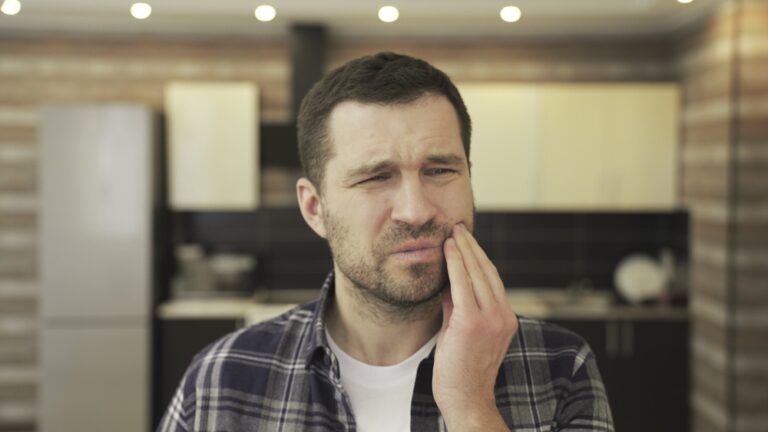
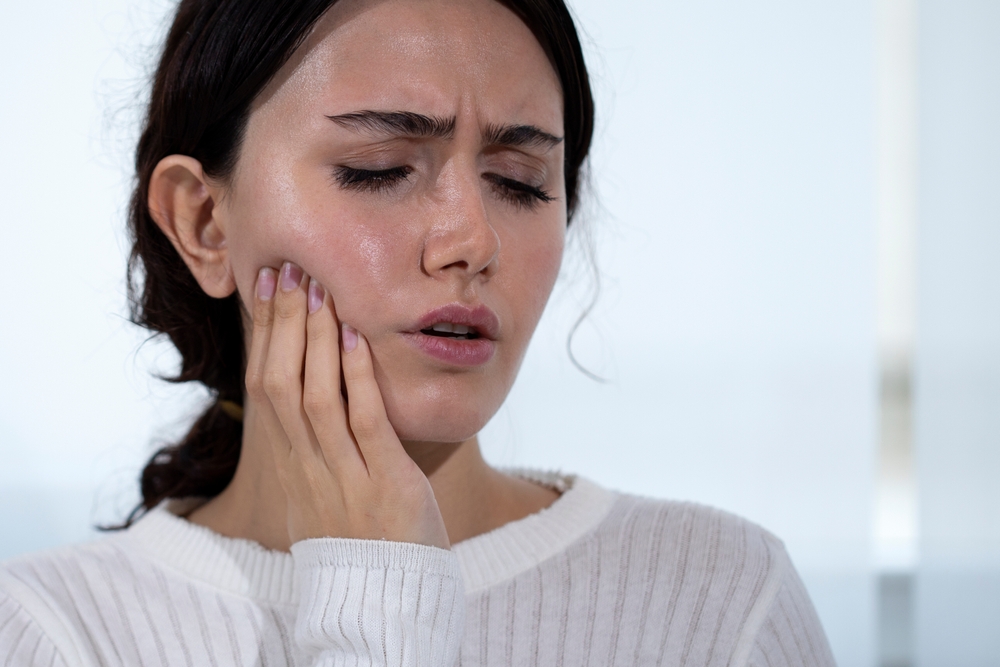
Tightness or pain in your jaw can be caused by a number of issues. It could be a dental issue, such as an abscess or cavity, or you might be suffering from stress that is causing you to clench your jaw.
In most cases, pain in your jaw is not a cause for concern, but it can still be uncomfortable. And while you might need to visit the dentist for some issues, your primary care physician may be able to help with others. And in some situations, home remedies may be available to help you to find relief.
In most cases, pain in your jaw is not a cause for concern, but it can still be uncomfortable.
There are a few instances where pain in your jaw would be considered an emergency. If the pain starts in your chest or shoulders and radiates to your jaw, you need to go to the emergency room, as this could be an early warning sign of a heart attack.
What causes pain or tightness in the jaw?
Pain and tightness are two very different things, so we will tackle them separately. Firstly, let’s look at common causes of pain in the jaw:
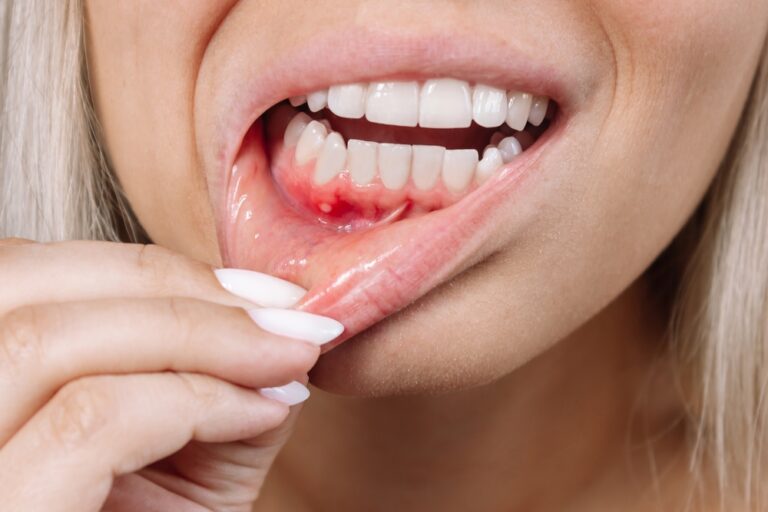
- Dental problems are the most likely cause of dental pain in your jaw. This could include issues like tooth decay that has led to a dental abscess. Advanced gum disease will also cause pain in your jaw, as it attacks the tissue and bone that holds your teeth in place. Finally, a misaligned bite can also lead to jaw pain.
- Teeth grinding, also known as bruxism, can also lead to dental pain. This condition causes you to grind your teeth together while you are sleeping, which causes pain and discomfort in the teeth and jaw.
- Injuries to the jaw can lead to pain and discomfort. While you might not be able to see an injury, there may be hidden damage to your teeth or jaw that needs to be addressed.
- Arthritis is another common cause of pain in the jaw. This condition causes inflammation in the jaw joint, which puts pressure on the surrounding muscles, tendons and nerves. It can result in a dull ache or shooting pains.
Next, we’ll explore some of the issues that can lead to tightness in the jaw. This can make it feel like you cannot fully open your mouth.
Next, we’ll explore some of the issues that can lead to tightness in the jaw.
- Stress and anxiety can lead to tension in your neck, shoulders and your jaw. You might find that you are clenching your jaw or holding tension without realising it, leading to a tight feeling.
- Dental surgery can leave your jaw feeling tight due to inflammation and keeping your mouth open for a long time.
- Injuries to your face or jaw can lead to tightness in the jaw, long after the initial pain has subsided.
How to manage a tight or sore jaw
As mentioned above, there are some instances where pain in your jaw should be treated as a medical emergency. If the pain starts in your chest and radiates to your shoulder and your jaw, if it comes on suddenly, and if the pain is severe, you should go to the emergency room.
Once you have ruled out anything more serious, you’ll have to decide if the issue requires attention from your dentist or your primary care physician.
The issue with dental pain is that it often radiates to other parts of your mouth, so it might feel a lot more like jaw pain. This can make it confusing when the time comes to determine how to get help. If you have jaw pain, a trip to the dentist is often a good idea, as they will be able to X-ray the area to get a better understanding of what is going on.
If your jaw pain or tightness is due to stress, anxiety or arthritis, your primary care physician will be the best source of support.
Home remedies for jaw pain and tightness
If you know the cause of the issue and simply need to find a way to manage your discomfort, there are some home remedies that can help. First, you can use over the counter pain medication to manage your discomfort and to reduce inflammation.
A warm or cold compress can also help to alleviate pain from inflammation or injury. If you have tooth decay and are waiting for treatment, avoid a warm compress as this can make the pain worse. In this case, a cold compress and keeping your head elevated (avoid lying down flat) can help to alleviate the pain until you can see a dentist.
Finally, if your jaw tightness is linked to stress or anxiety, or if you suspect you are grinding your teeth at night, then you might consider ways to reduce stress in your life. You could also look for ways to reframe stress to make it easier to manage, such as with mindfulness exercises or gentle movement like yoga.
Frequently asked questions
When should jaw pain be considered a medical emergency?
You should treat jaw pain as a medical emergency if it begins in your chest or shoulders and radiates to your jaw, as this can be an early sign of a heart attack. You should also seek urgent medical care if the pain is severe, comes on suddenly, or lasts longer than a week without improvement.
How do I know whether to see a dentist or my doctor for jaw pain?
If the pain feels dental in nature – such as pain from tooth decay, an abscess, gum disease, or grinding your teeth – a dentist is the best first step. Dentists can examine your teeth and take X-rays to identify hidden issues. If your symptoms are related to stress, anxiety, arthritis, or muscle tension, your primary care physician may be more appropriate.
Are there home remedies that can relieve jaw tightness or soreness?
Yes. Over-the-counter pain relief can reduce discomfort and inflammation. Warm or cold compresses may also help (though you should avoid heat if tooth decay is involved). If stress or anxiety is causing tightness or clenching, relaxation techniques – such as mindfulness, breathing exercises, or gentle movement like yoga – can help ease muscle tension.