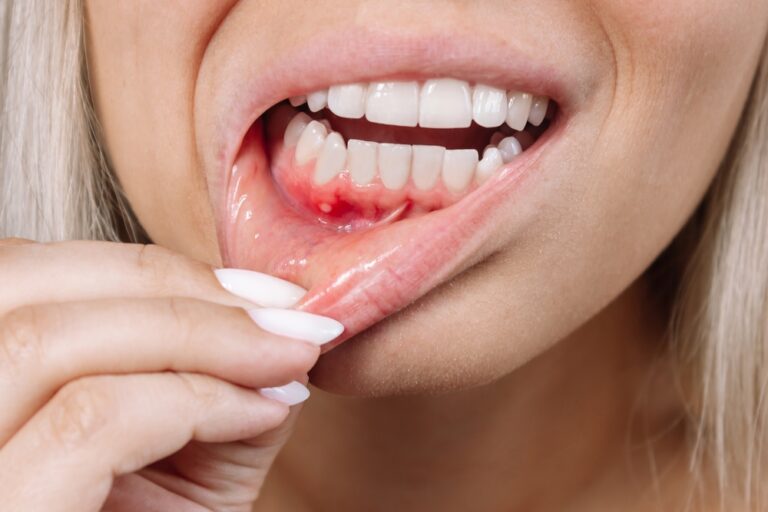


What you need to know
- Mouth sores and infections are caused by a wide range of factors, including vitamin deficiencies, GERD, viral infections, hormonal changes, stress and more.
- Mouth infections could include instances of cold sores, canker sores and oral thrush.
- Recurring mouth infections should always be investigated, as the cause could be something more severe, including mouth cancer.
- If you have a mouth sore that doesn’t heal after two weeks, you should speak to a doctor or dentist about possible causes.
Why do I keep getting mouth infections?
It’s normal to experience the occasional mouth ulcer and these will often clear up on their own without treatment, but if you have repeated infections this could be a cause for concern.
Most infections clear up by themselves in around 10-14 days, but in cases of recurring infections, you might notice that sores and infections never fully heal, or that you seem to notice new ones frequently.
The most common kinds or oral infection you are likely to experience include:
- Canker sores, which are small sores that appear on the soft tissue inside your mouth, usually on your lips or cheeks. They might occur when you are weakened by infection, or as a reaction to irritants like a toothpaste allergy.
- Cold sores are small blisters that appear on the corners or your mouth. They are caused by the herpes virus and are highly contagious.
- Oral thrush is a condition caused by a build up of the fungus Candida albicans in the mouth. It causes white patches to appear on the tongue.
Common reasons for repeat infections include:
- Stress, illness and poor sleep – when your body is running on empty, you won’t be able to fight off infections as easily. This can pave the way for more frequent mouth infections, including cold sore and canker sores.
- Vitamin deficiencies – when you aren’t getting enough vitamins and minerals from your diet, this can lead to canker sores. Common culprits are vitamin B12, folic acid and iron.
- Poor oral hygiene – this can upset the balance of bacteria in your mouth, leading to unhealthy growth. This is a common cause of oral thrush.
- Hormonal changes – puberty, pregnancy and menopause lead to drastic changes in hormone levels, and this can show up in unexpected ways, including increased mouth infections.
- Trauma or allergies – a chipped tooth, poorly-fitting dentures and orthodontic appliances can all cause irritation that can lead to recurring canker sores. Allergies to certain toothpaste ingredients or mouthwash can also lead to irritation.
Recurring mouth infections should always be investigated, as the cause could be something more severe, including mouth cancer.
Lifestyle factors that cause mouth infections
The problem with your recurring mouth infections could lie in your lifestyle choices. Habits like smoking, eating too much sugar or drinking alcohol can all lead to recurring mouth infections such as oral thrush or canker sores. Excessive alcohol use is another common cause of mouth infections.
Your diet can also contribute to poor mouth health in a number of ways. A poor diet can lead to vitamin deficiencies, while also impacting your blood sugar levels. This can lead to high levels of glucose in saliva that increases the risk of inflammation in the mouth along with tooth decay.
If you cannot find a medical reason for your recurring mouth infections, it might be time to look at the lifestyle factors that could be influencing this.
How do mouth infections impact the rest of your body?
If you are suffering from recurring mouth infections, the most important reason to get this checked out would be to rule out something more serious such as oral cancer or celiac disease. By visiting your doctor or dentist, you can get to the cause of the issue and rule out anything more serious.
If your infections are caused by something like a vitamin deficiency, then it won’t only be impacting your oral health. The impact will be experienced throughout your body.
Your immune system can also be impacted by frequent and recurring infections. When weakened, you might experience more cold sores and canker sores due to a poorly functioning immune system, which can lead to infections and illness.
Frequently asked questions
How do I fix my oral microbiome?
Reducing sugar intake is one way to improve your oral health and support a healthy oral microbiome. You should also pay close attention to your brushing routine, making sure that you brush, floss and scrape your tongue twice daily.
What vitamin is lacking when you have mouth sores?
The most common culprits for vitamin deficiencies are B12, iron and folate. Anemia is a common condition that can lead to recurring mouth infections like canker sores.
When should I see the doctor for mouth sores?
You should visit a doctor if your mouth sores last for longer than 3 weeks, or if your canker sores are more severe than usual. Adults should also visit the doctor for oral thrush, as this can lead to complications if left untreated.