

What you need to know
- Type 2 diabetes requires careful monitoring and lifestyle changes in order to prevent further complications.
- Through meaningful changes and careful monitoring, it is possible to lessen the impact type 2 diabetes has on your life.
- Medication is often essential for the management of diabetes, along with careful monitoring of symptoms to prevent further issues from arising.
Type 2 diabetes was once known as adult onset diabetes, but this definition has now changed to account for the condition also affecting young people. It happens when the body cannot use insulin correctly, which leads to a build up of glucose in the blood. Common risk factors for developing type 2 diabetes include:
- Age; risk increases with age, particularly for those over 40
- Weight; being overweight or obese is a major risk factor
- Inactivity; living a sedentary lifestyle can lead to diabetes
- Family history; if you have a parent, sibling or close relative with this condition, you are at increased risk
- Ethnicity; people of Asian, African, Caribbean, Hispanic, American Indian and Pacific Islander descent at at increased risk
- Gestational diabetes; a history of diabetes during pregnancy will put individuals at increased risk of developing type 2 diabetes later in life
Treatment for type 2 diabetes will focus on medication to help control blood sugar levels, and lifestyle changes to help prevent long-term complications.
Unmanaged diabetes can lead to conditions like cardiovascular disease, kidney disease and neuropathy.
It is possible to achieve remission from type 2 diabetes with good management and lifestyle changes.
Type 2 diabetes medications
There are a variety of options available to help treat type 2 diabetes, and not all of them will be suitable for you. Your primary care physician can help to guide you. The first medication is often Metformin, which helps to lower liver glucose production and improve insulin sensitivity.
Another popular medication is GLP-1 receptor agonists, commonly known by brand names such as Ozempic. Although widely discussed for weight loss, this medication helps to improve insulin response, reduce glucagon, support weight loss and protect the heart.
Meglitinides are a short-term solution taken before meals to help stimulate insulin release. Other medications like SGLT2 inhibitors may be used to help support the kidneys in removing sugar from the body through urine.
Medication is often essential for the management of diabetes, along with careful monitoring of symptoms.
Type 2 diabetes diet changes
Part of the treatment of type 2 diabetes will also include changes to your diet. The most commonly recommended diet plan to follow is the Mediterranean diet, which consists of whole grains, fresh fruits and vegetables, lean protein and healthy fats.
The goal when tackling type 2 diabetes with dietary changes will be to eliminate saturated fats, salt and refined sugar intake. This will typically require the individual to drastically reduce their intake of ultra-processed foods. Increasing fibre intake and complex carbohydrates will also be essential.
It’s not only what you eat but also how much, and how it is prepared. Smaller portion sizes will help to prevent blood sugar spikes, while healthier cooking methods like grilling and steaming help to remove excess calories from cooking oil.
Type 2 diabetes monitoring tips
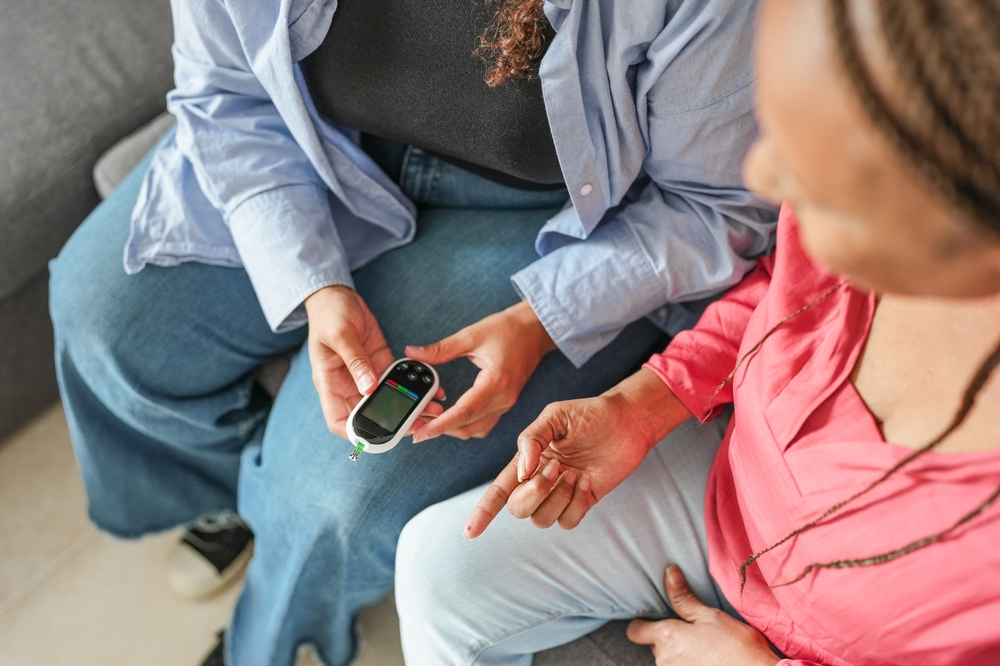
It’s vital for patients to get comfortable and confident in monitoring their blood glucose levels. Blood sugar levels typically need to be checked up to four times a day, while HbA1c levels should be checked every three to six months.
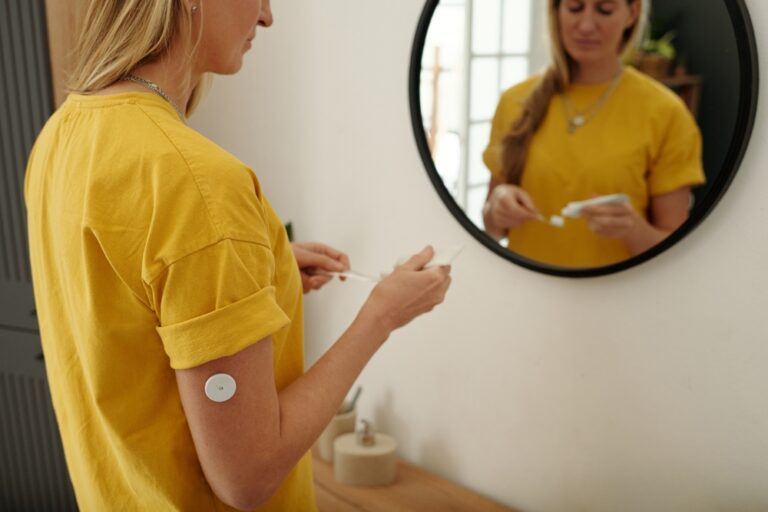
A continuous glucose monitor is essential if the patient is on insulin. These allow individuals to identify when blood sugar levels are too high and too low. It’s also important for patients to attend regular screening appointments to check kidney function, blood pressure and cholesterol.
This screening will also include foot care, which is essential as individuals with type 2 diabetes are at increased risk of nerve damage and poor circulation, leading to infections, ulcers and gangrene.
Frequently asked questions
Can you reverse type 2 diabetes?
While there is no cure for type 2 diabetes, there are ways you can reduce the impact on your life through proper management. This can reduce or delay the need for medication and improve your quality of life.
What’s the difference between type 1 and type 2 diabetes?
Type 1 diabetes affects a person from birth, as the pancreas does not produce insulin. Type 2 diabetes occurs when the body cannot make enough insulin or becomes resistant to insulin.
What is the best way to monitor type 2 diabetes?
Patients can use a blood glucose monitor to track sugar levels throughout the day. Portable testing devices can also be used to measure blood sugar from a small drop of blood.