
What you need to know:
- Pain and discomfort in the roof of your mouth can be caused by lots of things, including health conditions (such as HPV) or injuries (such as cuts or burns).
- This pain might appear alongside other symptoms. If you aren’t sure what is causing the pain and soreness in the roof of your mouth, you should visit a healthcare professional.
- Various treatments are available, from over-the-counter medications to at-home remedies.
Pain or soreness in the roof of your mouth often has an obvious cause, such as hot food or accidental cuts, but sometimes the cause is less clear and may require professional evaluation.
Pain and soreness in the roof of your mouth can be very uncomfortable. The temptation to poke it with your tongue can also make the discomfort worse. Talking, eating and drinking can add to your discomfort.
There are a lot of reasons you might have pain or soreness in the roof of your mouth, and the good news is that most of the time it won’t be something you need to worry about. This guide will help you better understand the cause of your discomfort so you’ll know when it’s time to take action.
Here are some of the most common reasons for pain and soreness in the mouth, and some helpful advice to help you tackle these conditions.
Canker sores
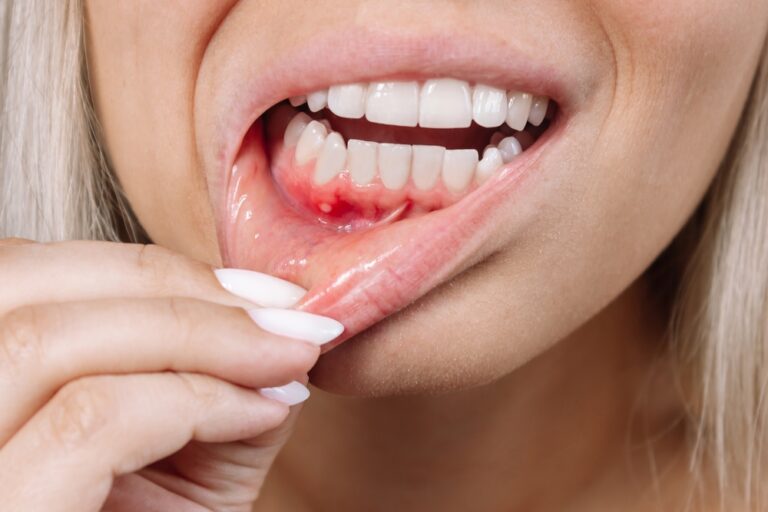
You might know these as aphthous ulcers or mouth sores. These are a very common cause of pain in the mouth and often appear on:
- Your gums
- Your tongue
- Inside the cheek
- On the roof of the mouth
A canker sore will be pale yellow or white, often round or oval. They can cause a burning or tingling sensation.
We don’t exactly know what causes canker sores, but they may be hereditary and often appear when the immune system is lowered. Stress, injury, and hormonal changes can contribute.
OTC medications can numb discomfort, and most canker sores heal within one to two weeks.
Cold sores
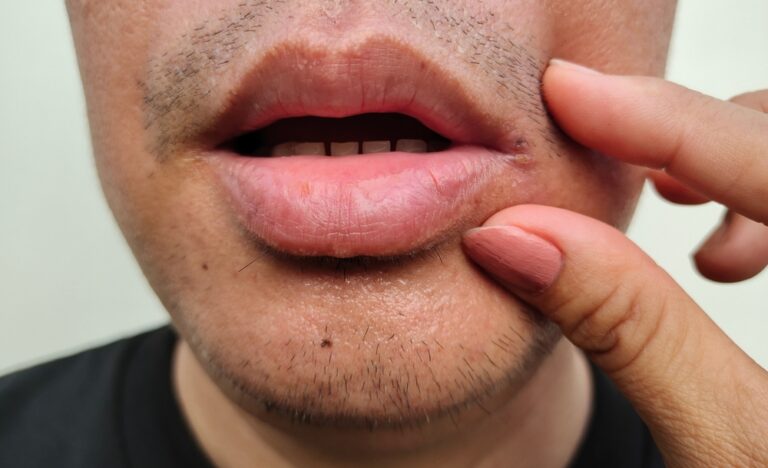
Also known as fever blisters, cold sores are caused by the herpes simplex virus (HSV-1). They start with tingling before forming blisters and may appear around the mouth, nostrils, tongue, or roof of the mouth. They typically heal in two to three weeks. Antiviral treatments may shorten recovery time.
Mouth burns
Burning your palate with hot food or drinks is very common. Blisters may form and burst, leaving sore tissue behind. Avoid hot, spicy, or acidic foods until healed. Seek help if swallowing becomes difficult.
Trauma to the mouth
This includes cuts from sharp foods like crusty bread or hard candy. These usually heal quickly but may be irritated by acidic or spicy foods.
Oral thrush
Oral thrush is caused by the Candida albicans fungus. Creamy or yellow patches may appear on the palate, tongue, or throat. Infants may recover naturally, while adults often require antifungal medication.
If oral thrush persists or spreads, it may indicate an underlying immune issue and should be evaluated by a healthcare professional.
Squamous papilloma
HPV-related squamous papillomas are wart-like growths that may appear on the palate or tongue. They are benign but can become irritated if bitten.
What other symptoms can be linked?
Red dots (petechiae) may indicate mononucleosis, especially when paired with swollen lymph nodes, fatigue, or fever.
What does a healthy palate look like?
Healthy palate appearance varies. The hard palate is firm; the soft palate is fleshy. Color ranges from pink to dark brown depending on pigmentation.
Available treatments
Possible treatments include:
- Pain relief such as Abreva, Anbesol, or ibuprofen
- Medicated mouthwash, oral gels, or pastes
- Antifungals such as fluconazole
- Steroids for severe inflammation
- Cryotherapy for wart removal
- Electrosurgery for cysts or more advanced lesions
Home remedies
- Warm saltwater rinses
- Stay hydrated and eat water-rich foods
- Avoid spicy, salty, or acidic foods
- Test food temperature before eating
- Take small bites and eat slowly
When to see a doctor
- Severe or worsening pain
- Signs of infection, such as fever or pus
- Persistent bleeding
- Fever of 103°F or higher
- Difficulty breathing or swallowing
Could it be oral cancer?
Persistent lumps, red or white patches, numbness, or trouble swallowing may indicate oral cancer. Early detection significantly improves outcomes.
Frequently asked questions about palate pain
What vitamin deficiencies cause pain?
A B12 deficiency can lead to soreness, burning, and macrocytic anemia. Testing is recommended.
Does dehydration cause pain?
Yes — dehydration can cause cracking, dryness, and discomfort in the palate. Severe dehydration requires emergency treatment.
How long does healing take?
Minor burns or cuts heal in 3–4 days; canker sores may take a few weeks. Persistent symptoms should be evaluated by a clinician.