
What you need to know
- A high blood pressure diagnosis should be taken seriously, and lifestyle changes should follow.
- This condition can be managed and reversed with care and consideration to things like diet, medication and lifestyle changes.
- Regular monitoring can help patients to understand the importance of this condition and make it easier to stay on track with required changes.
A diagnosis of high blood pressure, or hypertension, should always be taken seriously.
This stealthy condition often presents with no symptoms, even when blood pressure is dangerously high.
This is why it’s vital for everyone to undergo regular blood pressure monitoring to improve the chances of early diagnosis.
The risks of high blood pressure
Hypertension is a complex condition that puts pressure on the arteries that pump blood around the body. This means that the heart has to work harder, and this can put additional pressure on the organ.
High blood pressure puts you at increased risk of potentially fatal conditions including heart attack, stroke, heart failure, kidney failure and vascular dementia.
Understanding the cause of high blood pressure is often the first step towards meaningful treatment, as this will help to indicate where lifestyle changes need to be made.
Understanding your blood pressure reading
Blood pressure readings have two numbers and may be written as “140/90”, which would be verbalised as “140 over 90”.
The first number is the systolic pressure, which is the highest pressure your blood pressure reaches when your heart beats. The second number is the diastolic pressure, which is the lowest level your blood pressure reaches when your heart rests between beats.
Blood pressure is measured in four different levels, with healthy blood pressure being categorised as normal.
- Elevated blood pressure is when the first number ranges from 120 to 129 and the second number is below 80.
- Stage 1 hypertension is when the first number ranges from 120 to 139 and the second number is between 80 and 89.
- Stage 2 hypertension is when the first number is 140 or higher and the second number is 90 or higher.
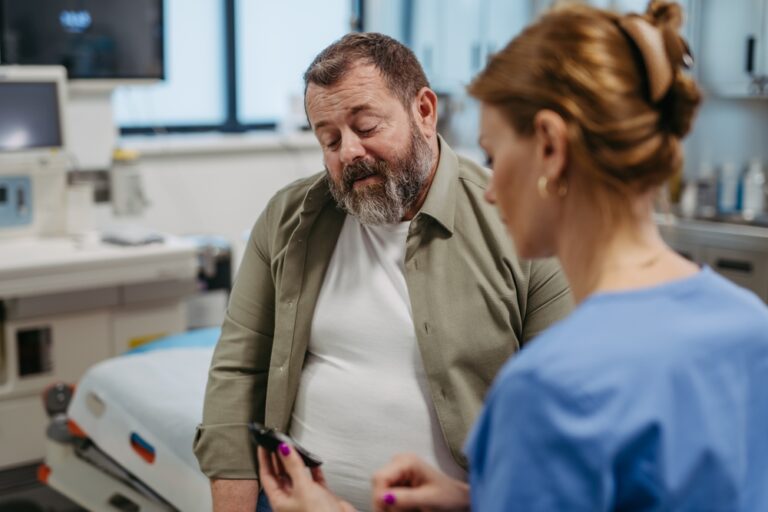
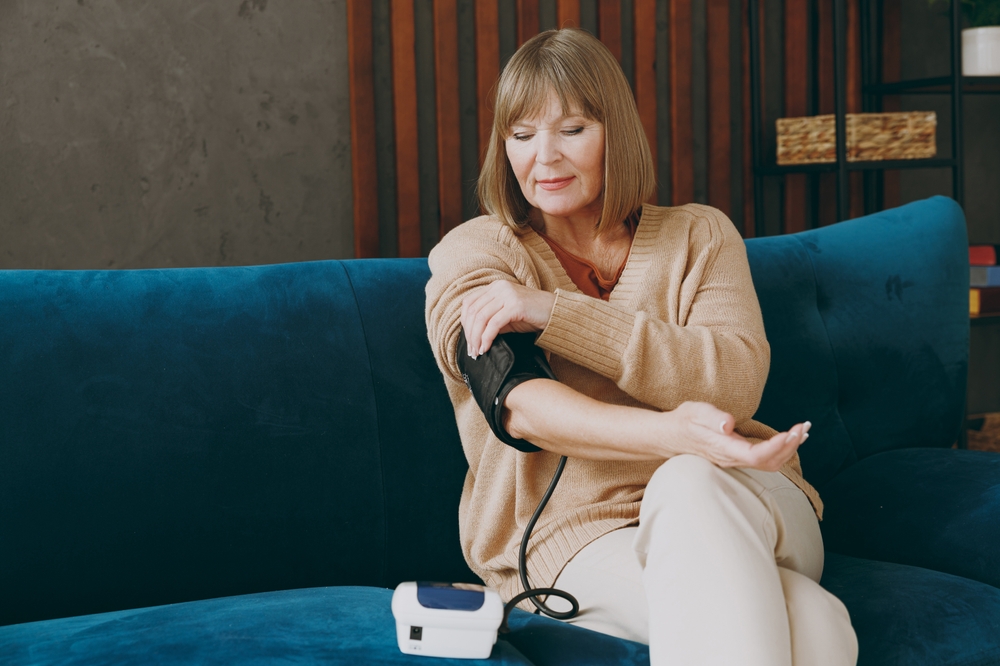
Your blood pressure is measured with a cuff that fits over your arm and inflates. This can feel tight, but it shouldn’t be painful and only takes a short time.
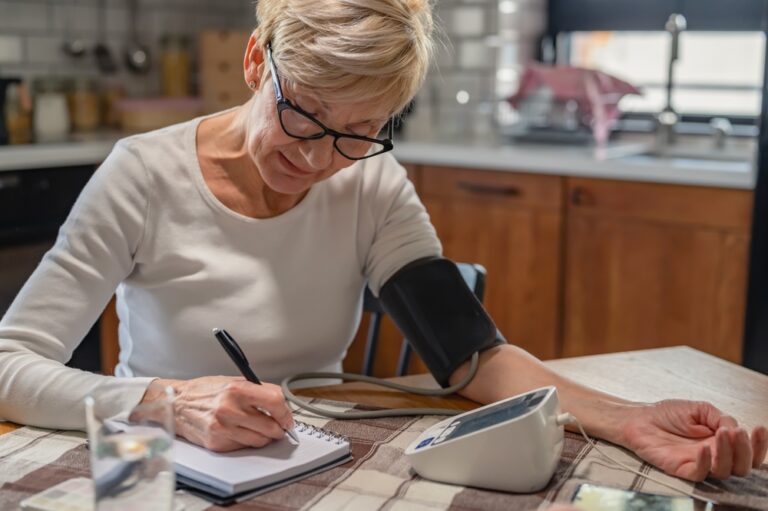
Regular monitoring can help patients to understand the importance of this condition and make it easier to stay on track with required changes.
Managing high blood pressure
If you have been diagnosed with high blood pressure, it will be essential to make changes to your lifestyle to bring your levels down and protect your heart from further damage.
Common recommendations for managing high blood pressure include:
- Losing weight to help lower blood pressure, with medication sometimes recommended to support weight loss.
- Regular exercise, aiming for around 150 minutes of moderate activity per week.
- Reducing salt intake, particularly from ultra-processed foods.
- Taking medication exactly as prescribed and not stopping treatment without medical advice.
- Drinking alcohol in moderation, as excessive intake can raise blood pressure.
- Managing stress to prevent blood pressure spikes and poor sleep.
- Regular monitoring at home or with your primary care physician.
Frequently asked questions
Can high blood pressure be managed?
While there is no cure, lifestyle changes can lower blood pressure and reduce or delay the need for medication.
When should I see my doctor?
High blood pressure often has no symptoms, so regular checks are essential. If you haven’t had your blood pressure measured recently, consider booking an appointment.
What is the most common medication for high blood pressure?
The most common medications are ACE inhibitors, which often end in “pril”, such as enalapril, lisinopril or perindopril.