

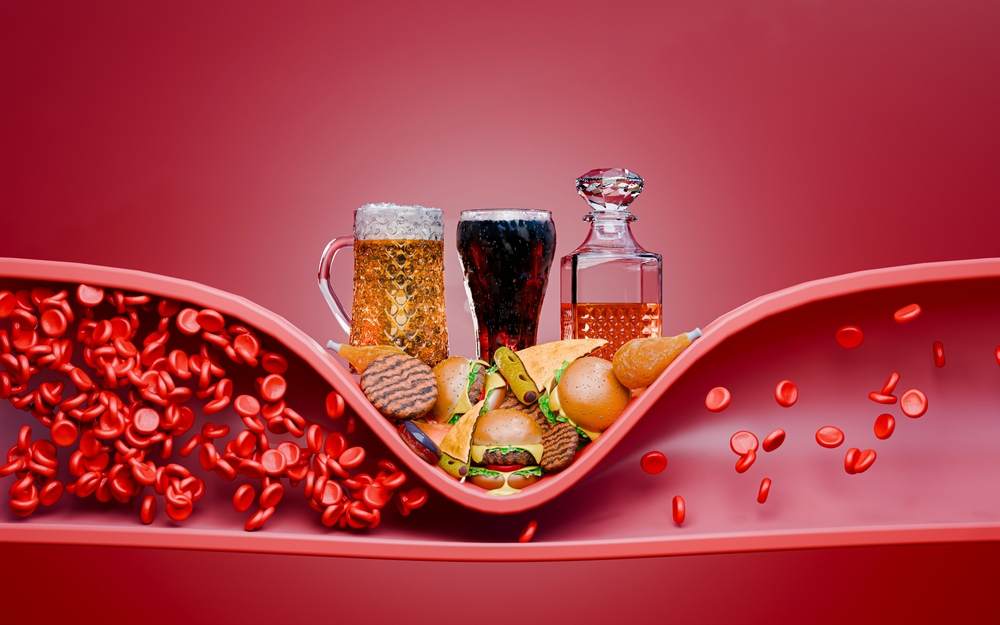
What you need to know
- High cholesterol typically causes no symptoms, but there will be plaque blockages building silently in your bloodstream, eventually leading to severe cardiovascular events.
- High cholesterol is commonly caused by a high fat diet, lack of exercise, smoking and genetics.
- This condition can only be diagnosed with a blood test, but there may be markers that could indicate that you are at higher risk. The most common treatment for high cholesterol is statins along with lifestyle changes.
What is cholesterol?
Cholesterol is a waxy, fat-like substance produced by the liver and found in cells all over the body. It is essential for building cell membranes, producing hormones and for aiding in digestion.
Around 80% of cholesterol is produced by the liver, with a further 20% coming from diet. Despite being essential in certain amounts, excess cholesterol and build up in the body, sticking to artery walls and causing clogs. This can raise the risk of heart disease and stroke.
High cholesterol does not have any symptoms until the damage is more advanced.
There are two types of cholesterol you need to be aware of, often referred to as good cholesterol and bad cholesterol.
- Low-density lipoprotein (“bad” cholesterol) carries cholesterol to cells. If levels are too high, then it deposits the lipids in artery walls, creating plaque.
- High-density lipoprotein (“good” cholesterol) carries cholesterol away from cells and back to the liver to be removed.
When you have a cholesterol test, your doctor will test for both low-density and high-density lipoprotein. They will also measure triglyceride levels, which is a type of fat in the blood linked to heart disease.
High cholesterol does not have any symptoms until the damage is more advanced. This is why regular blood testing is essential, particularly if you have a family history of high cholesterol or other risk factors.
Certain symptoms can indicate high cholesterol, but they are often missed. These include:
- Fatty patches or lumps on the skin, usually around the eyelids or tendons.
- A grey or white ring around the eyes can often be seen in patients under 60.
What causes high cholesterol?
High cholesterol is typically caused by diet and lifestyle. These are some of the most common reasons for high cholesterol:
- A diet that is high in saturated fat will increase your risk of developing high cholesterol. Foods containing bad cholesterol include fatty meats, processed meats, full-fat cheese and certain oils (coconut oil and palm oil). Some foods are higher in cholesterol but offer wider health benefits and are therefore acceptable in moderation. This includes egg yolks, liver and shellfish.
- Being inactive lowers good cholesterol levels and contributes to weight gain, which can increase levels of bad cholesterol. Carrying excess weight, particularly around the middle, will increase your risk of high cholesterol.
- While smoking doesn’t impact cholesterol levels, it does cause damage to arteries, which makes it easier for plaque deposits to stick to them.
- Other health conditions like hypothyroidism (underactive thyroid), chronic kidney disease, diabetes and HIV/AIDS can lead to higher cholesterol levels.
- Age and gender will also increase your risk of developing high cholesterol. The risk typically increases as you get older. Men are at risk at a younger age than women, and women face an increased risk during menopause.
When levels of bad cholesterol outnumber the good cholesterol, excess cholesterol cannot be removed from the body, so instead it is deposited on artery walls.
Risks associated with high cholesterol
When levels of bad cholesterol outnumber the good cholesterol, excess cholesterol cannot be removed from the body, so instead it is deposited on artery walls. This leads to plaque deposits which narrow the artery walls and restrict blood flow.
This often leads to heart disease, heart attacks, strokes and peripheral arterial disease (PAD). Left untreated, this can be life-threatening. Individuals who are overweight, smoke, have diabetes, or have a family history of high cholesterol should get tested regularly to monitor levels.
When caught early, it’s possible to manage and reverse high cholesterol symptoms. While high cholesterol will not be cured, it is possible to lower levels that will help to protect against heart damage.
Frequently asked questions
What is the treatment for high cholesterol?
Cholesterol is often treated with a medication called statins, which is a pill that you take every day. These work by inhibiting liver enzymes to help lower low-density lipoproteins in your body. It’s also recommended that you make changes to your lifestyle to help support the medication. This could include improving your diet, increasing exercise and avoiding high risk activities such as smoking.
What are the worst foods for high cholesterol?
The worst foods for high cholesterol are typically highly processed, fried or high calorie foods. Processed meats, fatty cuts of meat, organ meats, full-fat dairy, coconut and palm oil, fried food and pastries should often be avoided by patients worried about their cholesterol levels. Following a Mediterranean diet often provides the right level of lean protein, healthy fats, fibre and healthy carbohydrates to help reverse bad cholesterol levels.
Can high cholesterol be cured?
While it cannot be cured in the sense that it can be fixed forever, it can be reversed and managed, allowing individuals to live a normal and healthy life. Regular testing, lifestyle changes and medication can help to bring down cholesterol levels. Stopping medication or returning to old habits is likely to lead to a rise in cholesterol levels again.