


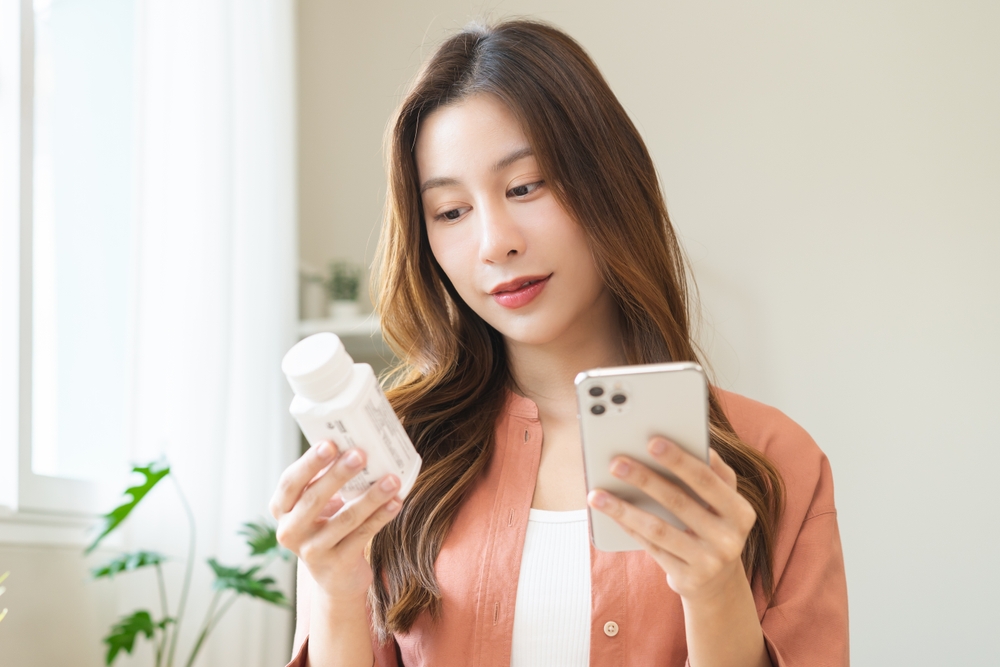
Is it safe to take expired medication?
For many expired medications, taking a pill a few months past the printed date is unlikely to be dangerous if it was stored properly. The bigger issue is that some medications lose potency over time, and a small group of drugs should never be relied on after expiration.
- →Some medications expire more seriously than others Insulin, EpiPens, liquid antibiotics, and nitroglycerin should be replaced on time.
- →Storage conditions matter Heat, humidity, and light can break medications down faster.
- →Look for physical changes Crumbling tablets, discoloration, cloudiness, or unusual smells are signs to throw medication away.
Almost everyone has a half-empty bottle of something at the back of the cabinet that’s past its date. The honest answer about whether to take it is more nuanced than the “throw it away” message most pharmacy websites give. Here’s what the evidence actually says.
Where the expiration date comes from
Drug companies are required to test how long their products remain stable. The expiration date is the point until which the manufacturer has actually proven the drug remains within its potency specifications under standard storage conditions. It’s not the day the medicine “goes bad.” It’s the day the company stopped guaranteeing it.
There’s a quote from a former FDA official that gets cited a lot in this space: “Manufacturers put expiration dates on for marketing, rather than scientific reasons. It’s not profitable for them to have products on a shelf for 10 years. They want turnover.” That’s not the whole picture, but it’s closer to the truth than most people realize.
What the actual data shows
The best evidence comes from the FDA’s Shelf Life Extension Program (SLEP), which has been running since 1986. The Department of Defense had massive stockpiles of medications that were expensive to keep replacing, so they asked the FDA to actually test whether expired drugs were still good. The answer surprised people:
- Across more than 3,000 lots and 122 different products, 88% retained full potency well past their original expiration date.
- Average extension granted: 66 months — more than five additional years.
- Some lots remained stable for 15+ years past expiration.
- One follow-up study found 12 out of 14 active ingredients in medications that had expired 28 to 40 years earlier were still at 90%+ of their labeled potency.
One important caveat: the SLEP medications were stored under ideal conditions — climate-controlled, in original packaging. Your medicine cabinet probably isn’t. Heat, humidity, and light all accelerate degradation. A bottle that’s lived in a hot bathroom for two years past expiration is in a different category from one in a sealed pharmacy stockpile.
The medications where expiration genuinely matters
Some medications you should not take past their date, full stop:
- Insulin and other injectable diabetes medications. Loses potency unpredictably after expiration. Inadequate insulin can cause dangerous blood sugar swings.
- EpiPens (epinephrine auto-injectors). Used for severe allergic reactions — a partially degraded dose during anaphylaxis can be fatal. Replace these on time.
- Nitroglycerin (for angina/chest pain). Loses potency rapidly, especially once the bottle is opened. Replace every 6 months even if it hasn’t reached the printed date.
- Liquid antibiotics (suspensions). Once mixed at the pharmacy, most are only stable for 7 to 14 days even refrigerated. Reading the pharmacy label, not the manufacturer date, matters here.
- Eye drops. Once opened, most preservative-containing drops are only good for 4 weeks. Preservative-free single-use drops are good only for one day after opening.
- Birth control pills. The reduced potency margin is too small to gamble on — a less-effective dose can mean an unintended pregnancy.
- Tetracycline antibiotics. One of the few medications with a documented case of expired pills causing actual harm (kidney damage from a degradation product). Worth taking seriously even though the cases are decades old and the formulations have changed.
- Vaccines and biologics. These are protein-based medications that genuinely lose effectiveness as they degrade.
- Anything where a precise dose is critical — anti-seizure medications, blood thinners like warfarin, thyroid medication, transplant rejection drugs.
Which option fits your situation?
Replace the medication
- ✓The medication is insulin, nitroglycerin, or an EpiPen
- ✓You rely on the medication for a serious or life-threatening condition
- ✓The medication has changed color, smell, or texture
- ✓It was stored in a hot car or humid bathroom
- ✓You need full-strength medication reliability
Use caution with recently expired medication
- ✓The medication is a common OTC pill like ibuprofen or antihistamines
- ✓It expired only recently
- ✓The bottle stayed sealed and properly stored
- ✓You understand it may be less effective
- ✓You plan to replace it soon anyway
The medications where it usually doesn’t matter much
For routine over-the-counter pills stored in their original sealed bottle in a reasonable spot — not the bathroom — a few months past the date is unlikely to cause any real problem:
- Acetaminophen (Tylenol)
- Ibuprofen and naproxen
- Aspirin
- Most antihistamines (Benadryl, Claritin, Zyrtec, Allegra)
- Most decongestants
- Topical corticosteroid creams
These will likely just be slightly less potent. The risk isn’t that they become poisonous — it’s that they don’t work as well. For occasional use of a slightly expired pill for a headache, the practical risk is minimal. For relying on an expired pill to manage a fever in a sick child or to control significant pain, replace it.
Signs your medication has actually gone bad
Beyond the date, some visible changes are worth paying attention to:
- Pills that are crumbling, cracked, sticking together, or have changed color
- Liquids that have changed color, become cloudy, or developed sediment that won’t resuspend
- Creams or ointments that have separated, dried out, or smell different
- Tablets that have lost their coating or developed a powdery surface
- Anything stored somewhere it shouldn’t have been — a hot car, a humid bathroom, freezing temperatures
When in doubt, the cheap options are usually genuinely cheap. A new bottle of acetaminophen is a few dollars. The expired one in your cabinet isn’t worth the small uncertainty.
What to do with the expired stuff
Don’t flush most of it. Don’t throw it loose in the trash where kids or pets could get into it.
- Drug take-back programs — many pharmacies have permanent drop boxes; the DEA holds national Take Back Days twice a year. This is the safest option.
- FDA flush list — a small number of high-risk medications (mostly opioids and a few others where accidental exposure could be fatal) are on the FDA’s “okay to flush” list when no take-back is available.
- Household trash — mix the medication with something unpalatable like used coffee grounds, dirt, or kitty litter, seal in a bag, and discard. Scratch out personal info from the label.
Need to replace expired medications without overspending?
EasyRx connects you directly with local pharmacies for transparent cash prices on prescriptions and OTC medications — with same-day delivery. No insurance needed, no hidden fees, HIPAA compliant.