

What you need to know
- Osteoporosis is a quiet condition until it causes a fracture, and the goal of treatment is to prevent that first break — or stop a second one from happening.
- Bisphosphonates are the most common first-line medication, but several other drug classes exist and are used in specific situations. Calcium and vitamin D are the foundation underneath all of them.
- Medication is one part of a wider plan. Weight-bearing exercise, strength training, fall prevention, and avoiding smoking and excess alcohol all matter for keeping bones strong over the long term.
Bone is living tissue. It is constantly being broken down and rebuilt, and the balance between those two processes is what keeps it strong. In osteoporosis, the breakdown side starts to outpace the rebuild, and bone density gradually drops. The condition is most common after menopause and in older adults, but it can affect men too — and several medications, medical conditions, and lifestyle factors can speed it up at any age.
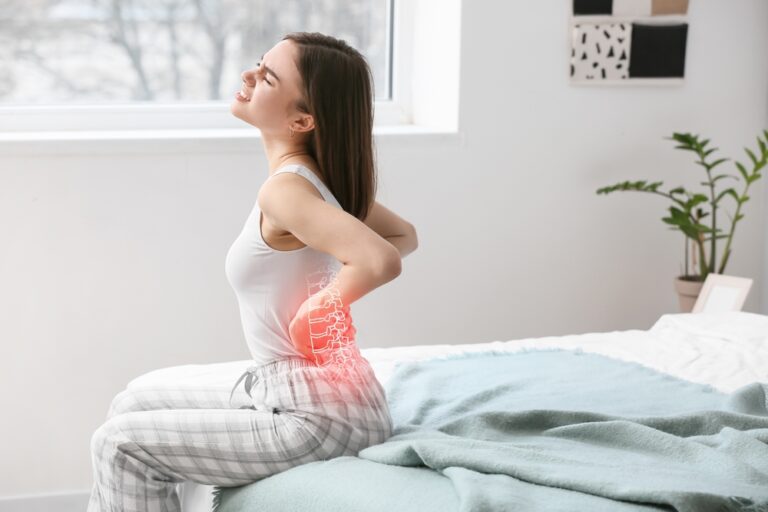
Osteoporosis is usually silent until something breaks. The first sign is often a fracture from a minor fall or even no obvious injury at all — a wrist, a hip, or a vertebra in the spine. Compression fractures of the spine can cause sudden, severe back pain, loss of height, or a stooped posture. Catching low bone density before that point is the whole point of screening.
Osteoporosis is a quiet condition until it causes a fracture, and the goal of treatment is to prevent that first break — or stop a second one from happening.
How osteoporosis is diagnosed
Bone density is measured with a DXA scan (dual-energy X-ray absorptiometry), a quick, low-radiation X-ray of the hip and lower spine. Results come as a T-score, comparing your bone density to that of a healthy young adult. A T-score above -1.0 is normal; -1.0 to -2.5 is osteopenia (low bone mass); -2.5 or below is osteoporosis. Treatment decisions also factor in fracture history, age, and overall fracture risk — calculated using a tool called FRAX.
Routine screening is recommended for women aged 65 and older, men aged 70 and older, and earlier for people with risk factors — including a previous fragility fracture, long-term steroid use, low body weight, smoking, heavy alcohol use, certain hormone disorders, or a family history of osteoporosis.
The medications, in plain English
Most osteoporosis medications work by either slowing bone breakdown (antiresorptives) or speeding bone formation (anabolics). The right choice depends on age, fracture history, kidney function, and personal preference.
Bisphosphonates. These are the most widely used first-line medications. They include alendronate (Fosamax), risedronate (Actonel), ibandronate (Boniva), and zoledronic acid (Reclast, given as a yearly IV infusion). Oral bisphosphonates are effective, affordable, and well studied. They reduce fracture risk meaningfully when taken consistently and correctly.
How you take an oral bisphosphonate matters more than for most medications. Take it first thing in the morning with a full glass of plain water, on a completely empty stomach, and stay upright (sitting or standing) for at least 30 to 60 minutes before eating, drinking anything else, or lying down. Taken any other way, very little of the medication is actually absorbed, and it can irritate the esophagus. Most people take alendronate weekly, risedronate weekly or monthly, and ibandronate monthly.
Denosumab (Prolia). This is a twice-yearly injection that works through a different mechanism — blocking a signal called RANKL that tells bone-removing cells to do their work. It is often used when bisphosphonates are not appropriate, including in people with significantly reduced kidney function. One important point: stopping denosumab without transitioning to another bone medication can cause rapid bone loss and rebound fractures, so you should not just discontinue it.
Anabolic agents. These build new bone rather than just preventing loss, and they tend to be reserved for higher-risk patients — typically those with very low T-scores, multiple fractures, or worsening density on antiresorptive therapy. Teriparatide (Forteo) and abaloparatide (Tymlos) are daily self-injected medications used for up to 2 years. Romosozumab (Evenity) is a monthly injection used for up to 12 months. After a course of any anabolic agent, an antiresorptive (typically a bisphosphonate or denosumab) is started to lock in the gains.
Hormonal options and SERMs. Estrogen therapy can preserve bone density in early postmenopause, although it is generally chosen for menopausal symptoms with bone protection as a secondary benefit, not the other way around. Raloxifene (Evista), a selective estrogen receptor modulator, is sometimes used for postmenopausal osteoporosis when other options are not suitable.
Two rare side effects of long-term bisphosphonate or denosumab use deserve a mention because they often come up: osteonecrosis of the jaw (most often after invasive dental work) and atypical femur fractures. Both are uncommon, the absolute risk is low, and for most people the fracture-prevention benefit substantially outweighs these risks. But they are worth knowing about and discussing with your dentist before any major dental procedure.
Medication is one part of a wider plan.
Calcium and vitamin D — the foundation
Bone medications work better when calcium and vitamin D status are adequate, and denosumab in particular requires good vitamin D levels at the time of dosing to avoid low blood calcium afterward. Aim to get most calcium from food — dairy, leafy greens, fortified plant milks, sardines, tofu set with calcium — and supplement only the gap. Most adults benefit from a vitamin D supplement, particularly older adults, those with limited sun exposure, and those with darker skin or limited diets. Your provider can check a vitamin D level if there is any doubt about whether you need it.
What else to do
Medication and supplements address part of the picture. The other half is what your bones and muscles do every day.
Weight-bearing exercise. Walking, jogging, dancing, hiking, stair climbing, and similar activities load the bones and stimulate them to maintain density. Aim for at least 30 minutes most days. Swimming and cycling are excellent for cardiovascular health but, because they are not weight-bearing, they do not have the same effect on bone.
Strength training. This may matter more than weight-bearing aerobic activity for bone health, particularly for the spine and hips. Mayo Clinic recommends strength training, especially for the upper back, along with weight-bearing aerobic exercise. A trainer or physical therapist familiar with osteoporosis can help you build a routine that is both effective and safe — particularly if you already have a low T-score or a previous fracture.
Balance and fall prevention. Most osteoporotic fractures happen during a fall. Tai chi, yoga adapted for osteoporosis, and standing balance exercises all reduce fall risk. So do practical home changes: removing loose rugs, adding grab bars in the bathroom, improving lighting on stairs, and reviewing medications that cause dizziness or low blood pressure with your provider.
Avoid smoking and limit alcohol. Both accelerate bone loss. Smoking cessation has direct bone benefits within the first year. Alcohol intake above moderate amounts (roughly more than one to two drinks a day) increases both bone loss and fall risk.
It is also worth asking your provider whether any of your current medications might be contributing — long-term steroids, certain diabetes medications, some antiseizure medications, and proton pump inhibitors all have effects on bone density. Switching is not always possible, but knowing about the contribution helps shape the rest of the plan.
When to see a doctor
Talk to your provider about a DXA scan if you are due for routine screening (women 65+, men 70+) or earlier if you have any of the risk factors above. If you have already broken a bone in adulthood from a low-impact fall — falling from standing height or less — get a bone density scan, even if osteoporosis was not previously suspected.
Sudden, severe back pain in someone with risk factors can signal a vertebral compression fracture, particularly if it follows a minor strain or even something as simple as a hard cough. The pain of an acute compression fracture is usually distinct from the everyday muscle strain explored in the article on back pain strain vs slipped disc — it tends to be more severe and to come on suddenly. This warrants prompt medical evaluation.
Frequently asked questions
How long do I need to take an osteoporosis medication?
It depends on the drug and the situation. Oral bisphosphonates are typically used for 3 to 5 years before reassessing — sometimes a “drug holiday” is appropriate for those at lower ongoing risk, while others continue. Denosumab is generally used long-term, with the caveat that stopping it requires a transition plan. Anabolic agents are time-limited (1 to 2 years) and are followed by an antiresorptive. Bone density and fracture risk should be reviewed every 1 to 2 years to guide whether to continue, switch, or stop.
I am scared of the side effects I have read about. Are these medications really safe?
The serious side effects you have probably heard about — osteonecrosis of the jaw and atypical femur fracture — are real but rare, and the absolute risk is much smaller than the risk of fracture in untreated osteoporosis. For someone with established osteoporosis, the math overwhelmingly favors treatment. The same is not necessarily true for someone with mild osteopenia and no other risk factors, which is why these medications are not started for everyone with low-normal bone density. A thoughtful conversation with your provider about your specific risk and benefit is the right approach.
Can men get osteoporosis, and is the treatment the same?
Yes — about one in four men over age 50 will have a fracture related to osteoporosis. Men are screened less often, often diagnosed later, and have higher mortality after a hip fracture than women. The medication classes are largely the same; bisphosphonates and denosumab are both well studied in men. Causes in men more often include low testosterone, long-term steroid use, heavy alcohol intake, or other underlying medical conditions, so workup typically looks for those.