

What you need to know
- Heart failure is a long-term condition in which the heart does not pump as effectively as it should. It is highly treatable, and modern medication regimens have dramatically improved how long and how well people live with it.
- The current standard for the most common form of heart failure is “quadruple therapy” — four medication classes used together to protect the heart and reduce hospitalizations. Diuretics are layered on top to manage fluid.
- Daily self-care matters as much as the medications. Weighing yourself every morning, watching salt intake, and recognizing early warning signs of worsening symptoms can prevent hospital admissions.
Heart failure does not mean the heart has stopped working. It means it is not pumping enough blood to meet the body’s needs, or it can only do so at higher pressures that cause fluid to back up. The result is a familiar cluster of symptoms: shortness of breath (especially with activity or when lying flat), swelling in the legs and ankles, persistent fatigue, and a reduced ability to do everyday things that used to be easy.
It is also a chronic condition that responds well to good management. Over the past decade, the medications used for heart failure have improved substantially, and the daily lifestyle work that pairs with them is well established. Catching warning signs early — and acting on them — is one of the highest-leverage things anyone with heart failure can do, and the same principles apply whether your symptoms are stable or you have just been diagnosed.
Daily self-care matters as much as the medications.
What heart failure actually is
There are two main types, distinguished by how the heart’s pumping function looks on an ultrasound (echocardiogram).
Heart failure with reduced ejection fraction (HFrEF) means the heart muscle is weakened and the percentage of blood squeezed out with each beat (the ejection fraction) is lower than normal — typically 40% or less. This is the form for which the strongest medication evidence exists.
Heart failure with preserved ejection fraction (HFpEF) means the heart squeezes adequately but does not relax and fill properly — common in people with longstanding high blood pressure, diabetes, or atrial fibrillation. Treatment overlaps with HFrEF in some areas but the priority is tighter control of underlying conditions.
There is also a middle category called heart failure with mildly reduced ejection fraction (HFmrEF), with treatment increasingly resembling HFrEF based on more recent evidence.
Common symptoms include shortness of breath, swelling (edema) in the feet, ankles, or abdomen, fatigue, weight gain from fluid retention, a sensation of the heart racing or pounding, and waking up at night feeling short of breath. Symptoms can overlap with chest tightness and other cardiac issues and need a clinical diagnosis to sort out.
The four pillars of medication therapy
Current guidelines from the American College of Cardiology and American Heart Association recommend four medication classes for HFrEF, each working in a different way and each independently shown to reduce hospitalizations and prolong life. Most people end up on all four, started one or two at a time and titrated up over weeks to months.
1. ARNI, ACE inhibitor, or ARB. Angiotensin receptor-neprilysin inhibitors (sacubitril-valsartan, sold as Entresto) are the preferred first option for most people. ACE inhibitors like lisinopril or enalapril, or ARBs like losartan and valsartan, are alternatives when an ARNI is not tolerated or accessible. These reduce strain on the heart and slow the long-term damage of hormonal stress signals.
2. Beta-blocker. Carvedilol, metoprolol succinate (the extended-release form), and bisoprolol are the three with the strongest evidence in HFrEF. They slow the heart rate and protect the heart muscle from sympathetic nervous system overdrive. Doses are started low and increased gradually, because going too fast can briefly worsen symptoms before they improve.
3. Mineralocorticoid receptor antagonist (MRA). Spironolactone or eplerenone block the hormone aldosterone, reducing fluid retention and protecting the heart muscle. Potassium and kidney function are monitored after starting.
4. SGLT2 inhibitor. Dapagliflozin (Farxiga) and empagliflozin (Jardiance) were originally developed for diabetes but reduce heart failure hospitalizations and deaths in people with and without diabetes. They are now part of the standard quadruple therapy regimen.
Diuretics (water pills) sit alongside these four pillars but serve a different purpose: they manage fluid, not the underlying disease. Loop diuretics like furosemide (Lasix), torsemide, and bumetanide remove excess fluid and reduce symptoms like swelling and breathlessness. The dose is often adjusted up or down based on daily weight changes — many providers give patients a written plan to do this themselves between appointments.
Other medications come into the picture in specific cases: ivabradine, hydralazine plus isosorbide dinitrate (particularly in Black patients with HFrEF), digoxin (less commonly used now), and treatments for any contributing conditions like atrial fibrillation, coronary artery disease, or anemia.
The current standard for the most common form of heart failure is “quadruple therapy” — four medication classes used together to protect the heart and reduce hospitalizations.
Salt and fluid management
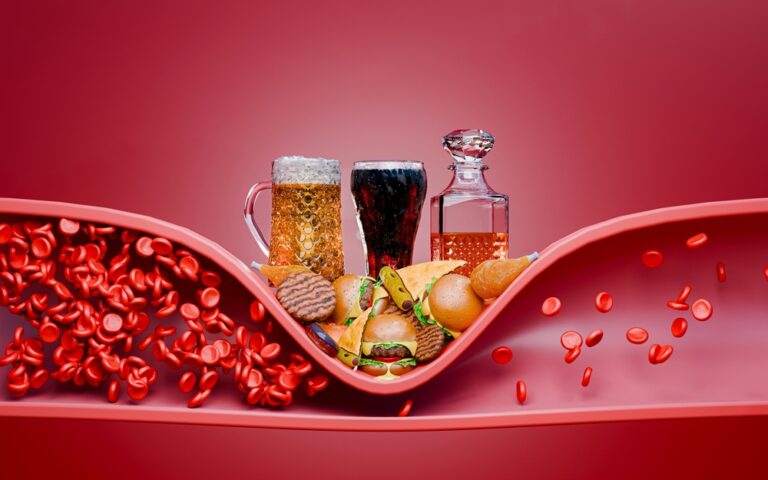
When the heart is not pumping efficiently, the body holds onto sodium and water. Limiting how much salt you take in helps the medications work better and reduces the day-to-day fluid swings. The American Heart Association recommends 2,000 to 3,000 milligrams of sodium per day for most people with heart failure — and the average American typically takes in much more than that.
The big shift in mindset most people make is realizing how much sodium hides in processed and restaurant foods. Bread, deli meats, canned soups, sauces, condiments, cheese (cottage cheese is especially high), and most sit-down restaurant meals contribute far more than the salt shaker. Cooking from scratch with herbs, spices, lemon, and vinegar in place of salt is the practical fix that works for most people. Reading nutrition labels — looking specifically at sodium per serving and the actual number of servings in the package — becomes a quick habit.
Fluid restriction is more selective. Some people with heart failure are asked to limit fluid to around 1.5 to 2 liters a day; others are told to drink to thirst. Recent guidelines have moved away from blanket restrictions, recognizing that under-drinking has its own risks. Follow your provider’s specific guidance — it is one of the things that gets adjusted as your condition changes.
NSAIDs are particularly important to avoid. Ibuprofen, naproxen, and similar over-the-counter pain medications cause sodium retention and can worsen heart failure quickly. Acetaminophen is the safer choice for routine pain. Always check cold and flu products, which often contain a hidden NSAID.
Daily monitoring: the morning weigh-in
Daily weight is the single most useful self-monitoring tool in heart failure. The number itself does not have to be perfect; the change matters.
- Weigh yourself at the same time each morning, after using the bathroom and before breakfast.
- Use the same scale, on the same surface, in roughly the same clothing.
- Write the number down — a simple notebook or notes app is fine.
A gain of 2 to 3 pounds overnight, or 5 pounds in a week, usually means fluid is building up. That is the moment to act, not when shortness of breath is already worse. Many heart failure programs give patients standing orders to take an extra dose of diuretic on those days; otherwise, it is a good reason to call your provider before the weekend.
Watch for these other warning signs of worsening heart failure:
- Increased shortness of breath — particularly when walking shorter distances than usual, or when lying flat at night
- New or worsening swelling in the legs, ankles, or abdomen
- A persistent dry cough or wheeze — sometimes one of the first signs of fluid in the lungs
- Reduced exercise tolerance or new fatigue
- Appetite loss, nausea, or feeling full quickly — fluid in the abdomen affects digestion
- Sleeping propped up on more pillows than usual to breathe comfortably
Sleep apnea is also common in people with heart failure, and untreated, it makes the condition substantially harder to control. If snoring, witnessed pauses in breathing, or persistent daytime tiredness are part of your picture, looking into sleep quality and sleep-related breathing problems is worthwhile.
When to see a doctor
Get in touch with your provider promptly if you notice the warning signs above, particularly weight gain over 3 pounds in 1 to 2 days. Adjusting the diuretic early often heads off a hospital trip.
Seek emergency care for sudden severe shortness of breath at rest, chest pain or pressure, fainting, severe palpitations, coughing up frothy or pink-tinged sputum, or sudden severe swelling. These can signal acute decompensation that needs immediate treatment.
Frequently asked questions
I feel fine — why am I on so many medications?
Because feeling fine on heart failure medications generally means the medications are working. Each of the four pillar medications has independent evidence for reducing hospitalizations and prolonging life, even in people with relatively mild symptoms. Stopping them when you feel well typically leads to a flare within weeks to months. If a particular medication is causing side effects, the conversation is about adjusting the dose or switching within the class — not skipping it.
Can heart failure ever get better, or only worse?
It can — particularly with HFrEF, where consistent use of guideline-directed medical therapy can substantially improve ejection fraction over 6 to 12 months in some people. Even when the underlying heart muscle does not fully recover, symptoms and exercise tolerance can improve significantly. The trajectory is far less inevitable than it once was, but consistency with medications and self-care is what creates the room for improvement.
Should I exercise with heart failure?
Yes, and supervised cardiac rehabilitation is the best way to start. A structured program builds exercise tolerance safely while teaching how to monitor your own response. Once you have an established baseline, regular moderate activity — typically walking, cycling on a stationary bike, or swimming — improves symptoms and quality of life. The right intensity is one where you can still talk in short sentences but feel you are working. Avoid heavy lifting and isometric exercises like pushing or straining, which spike blood pressure and put extra load on the heart.