

What you need to know
- A racing heart is known as heart palpitations. They are usually harmless, but they can indicate a more serious condition that could require treatment.
- Common causes of a racing heart include stress, anxiety, exercise and medication. Less often, they are caused by a medical condition such as an irregular heartbeat (arrhythmia).
- Heart health is something that is likely to cause a lot of anxiety, so it’s worth visiting your primary care physician if you notice a sudden change in the frequency of heart palpitations.
What causes a racing heart?
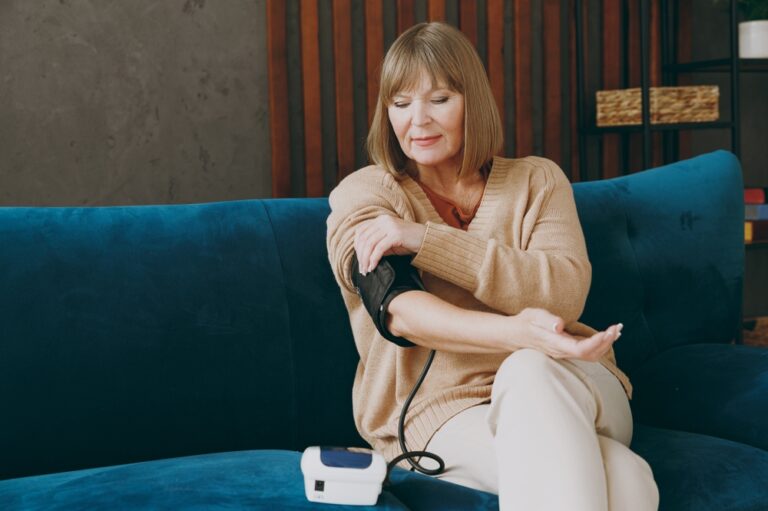
A racing heart is also known as heart palpitations, and it is characterised by a sudden change in your usual heart rate. Your heart might suddenly start to beat more quickly, or it might feel like it is pounding.
Heart palpitations are most often harmless, but they are still a cause for concern.
Even if the cause is not life-threatening, it’s worth understanding why you are experiencing heart palpitations, as the cause may be something you want to address.
Heart palpitations are most commonly caused by:
- Stress and anxiety – cortisol is a stress hormone that prepares your body for the flight or fight response. It can trigger an elevated heart rate.
- Lack of sleep – poor sleep disrupts your autonomic nervous system, which is responsible for regulating heart rate.
- Alcohol, caffeine, recreational drugs and nicotine – these are all known to trigger heart palpitations.
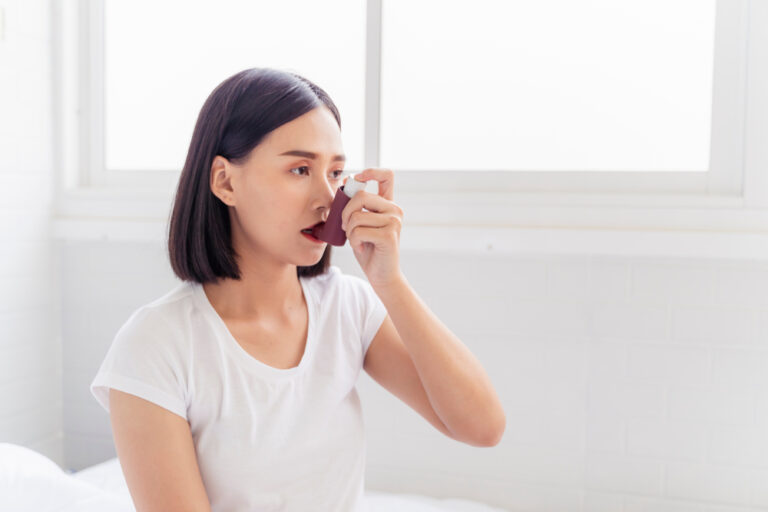
- Medications – some medications, including asthma inhalers, beta blockers and some thyroid medications will cause heart palpitations.
A less common cause of heart palpitations is a heart condition, most often an irregular heart beat. This is called an arrhythmia, and it can mean that your heart isn’t pumping blood effectively. Left untreated, an arrhythmia can lead to heart failure as the heart will be working too hard. Lifelong medication is often required to treat this.
How are heart palpitations diagnosed?
To find out if your heart palpitations are normal or linked to a secondary heart problem, your primary care physician will take a full history and ask you questions about your lifestyle. It’s important to be honest and realistic about things like smoking and alcohol use, as these can influence your diagnosis.
You may be offered an electrocardiogram (ECG or EKG) which measures the electrical current of your heart. This is a pain-free procedure that simply uses small pads stuck to your chest to measure the electrical impulses.
Heart palpitations can also be caused by an overactive thyroid. You might need bloodwork to determine if your thyroid is causing this problem.
In the majority of cases, heart palpitations do not require treatment, but if you notice a big change from what is considered normal for you, or if it is impacting your quality of life, you should seek help.
In the majority of cases, heart palpitations do not require treatment, but if you notice a big change from what is considered normal for you, or if it is impacting your quality of life, you should seek help.
Lifestyle changes to reduce heart palpitations
Once you have ruled out anything more serious, you can look at potential lifestyle changes that could help you to manage and minimise heart palpitations. These changes could help you:
- If your heart palpitations are linked to stress or anxiety, you will need to find ways to remove triggers from your life, or use relaxation techniques to calm your sympathetic nervous system. Meditation and exercise are both effective techniques for easing stress and anxiety.
- Cutting out caffeine from your diet can help to reduce instances of a racing heart as caffeine is a stimulant. You might also consider reducing alcohol consumption, as this is linked to poor sleep, dehydration and anxiety, which can all lead to heart palpitations.
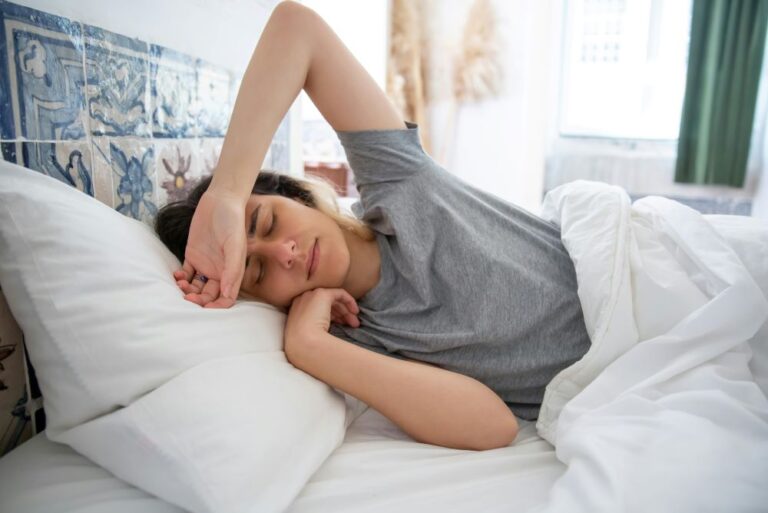
- Focusing on getting more quality sleep can help. Adults should aim for at least 7 hours per night. You may need to make changes to your bedroom environment, such as blocking out light or removing devices from the bedroom so that you don’t scroll at night.
- Stop smoking or using recreational drugs if these are causing heart palpitations. Your wider health will benefit from these simple lifestyle changes.
- Get regular exercise. Improving your heart health can help to reduce anxiety and stress, which can both help to reduce instances of heart palpitations. Remaining calm when you do experience heart palpitations will help to reduce the impact.
- Speak to your doctor if you are taking medications that are causing your heart palpitations. Don’t stop taking your medication unless you are instructed to do so. You may be able to try a different medication to avoid this side effect.
Frequently asked questions
What do heart palpitations feel like?
Heart palpitations feel like a sudden change in your heart rate. Your heart might feel like it slows briefly and then starts beating faster and harder. It might feel like a sinking feeling in your chest followed by a pounding sensation.
When could heart palpitations be more serious?
Heart palpitations may be more serious if they are accompanied by the following symptoms. You should look out for light headedness, dizziness, shortness of breath or feeling like you are about to pass out.
When should you visit a doctor for heart palpitations?
Problems with your heart can cause a lot of anxiety, so if you have noticed a change in the frequency of your heart palpitations, it would be worth visiting a doctor. They can tell you if the problem is something that you need to be worried about.