

What you need to know
- Losing some hair every day is normal, but when this amount significantly increases, it could be a sign that something is amiss.
- The medical term for hair loss is alopecia, but hair shedding can also occur, which is known as telogen effluvium.
- Hair shedding is commonly linked to life events such as losing weight, giving birth, going through a stressful period or recovering from an illness.
Hair loss explained
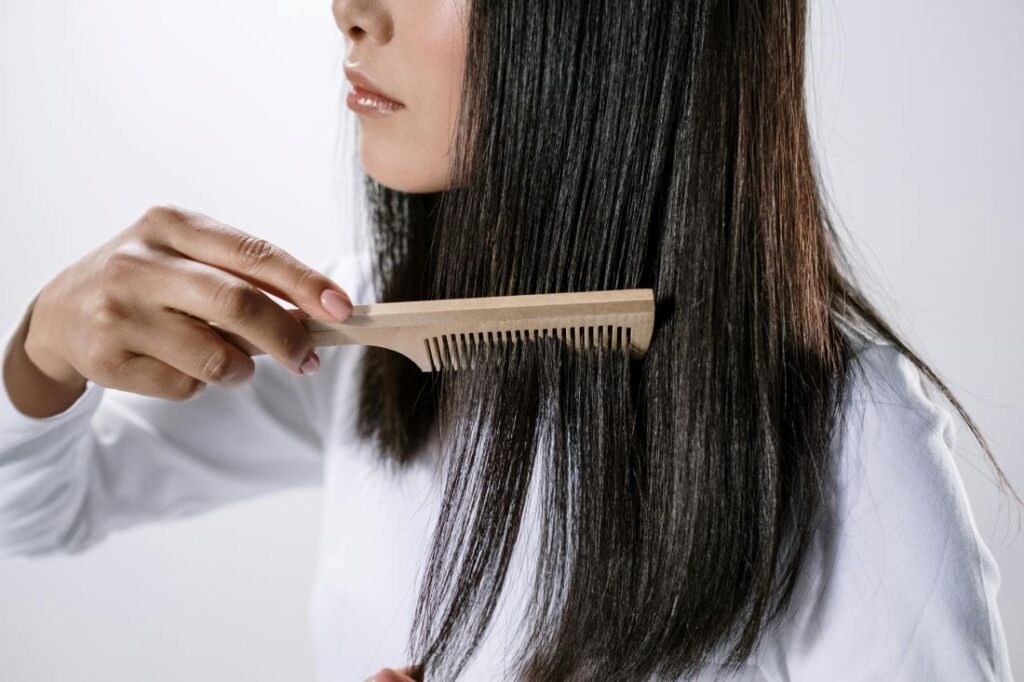
What people think is hair loss is often a normal amount of hair shedding. It’s normal to lose between 50 and 100 strands per day, which can be alarming if you see all of this at once in the shower, for example.
Hair loss at this volume is fine because of the growth cycle of hair. Each follicle is either in a growth stage, rest stage or a shedding stage. When hair in the rest stage is also lost, this can lead to thinning.
There are also instances where something stops the hair from growing, leading to baldness.
This is often a hereditary condition or caused by illness or cancer treatment. This can be permanent or temporary.
In this guide, we’ll explore some common reasons for hair shedding that can often surprise people.
Medical reasons for hair shedding
If you have noticed an increase in the amount of hair strands you are losing every day, there could be a simple explanation. These are some of the most common reasons individuals will experience hair shedding:
- Weight loss – losing 20 pounds or more can lead to a temporary increase in hair shedding. This is thought to be linked to a number of reasons, including nutritional deficiencies due to crash dieting, hormonal changes and stress on the body from exercise. Weight loss may also be experienced when using weight loss medication such as Ozempic.
- Giving birth is a stressful event that can trigger a shedding period. This often feels much worse, because hair loss stops during pregnancy, so the hair feels much thicker and any hair loss is more obvious.
- Experiencing stressful events such as divorce or grief can lead to hair loss. It’s not known why, but stress appears to cut short the hair growth phase, leading to shedding.
- Recovering from an illness, particularly one with a high fever can also cause shedding. This is another form of stress on the body that appears to shorten the hair growth phase.
- Undergoing surgery can lead to increased hair shedding likely because of the stress placed on the body.
- Stopping taking birth-control pills can also cause the hair to move into a resting phase, which accelerates hair loss. This is thought to be linked to hormonal imbalances.
Thankfully, all of the conditions listed above will result in only temporary hair loss.
What can be done for hair loss?
To understand this temporary hair loss, we need to know more about the hair growth cycles and how long they take.
- The anagen phase (growth phase) lasts the longest, typically between 3-5 years and around 90% of your hair follicles will be in this stage at any one time.
- The catagen phase (rest phase) is when the hair stops growing and enters into a rest stage for around 4 weeks. Around 2% of hair follicles will be in this stage at any one time.
- The telogen phase (shedding) is when the hairs fall out. This lasts for around 3-4 months and around 8% of hair follicles will be in this stage at any given time.
After the telogen phase, the follicle returns to the anagen phase, and a new hair will grow.
In conditions where the anagen phase is shortened, this should only last for 1 cycle, and then hair growth will be restored. New growth will start to appear after around 4-5 months.
Frequently asked questions
Can hair loss be prevented?
You can’t prevent all types of hair loss, but you can take steps to ensure your hair is healthy and less likely to suffer from damage or breakage. In cases of hair shedding, you will often need to wait out the end of the shedding cycle and then focus on ensuring new growth is healthy. Make sure you are getting enough vitamins and minerals from your diet, or take a supplement specifically designed for hair health to support healthy hair growth.
What medication will help with hair loss?
Minoxidil topical solution, also known by the brand name Rogain, is highly effective for supporting new hair growth. It works by improving blood flow to the scalp to help stimulate the growth phase.
When should I see my doctor for hair loss?
Speak to your doctor if you are concerned about your hair shedding. They can help you to understand the cause of the hair loss and hopefully put your mind at ease about whether this is a permanent or temporary loss.