

What you need to know
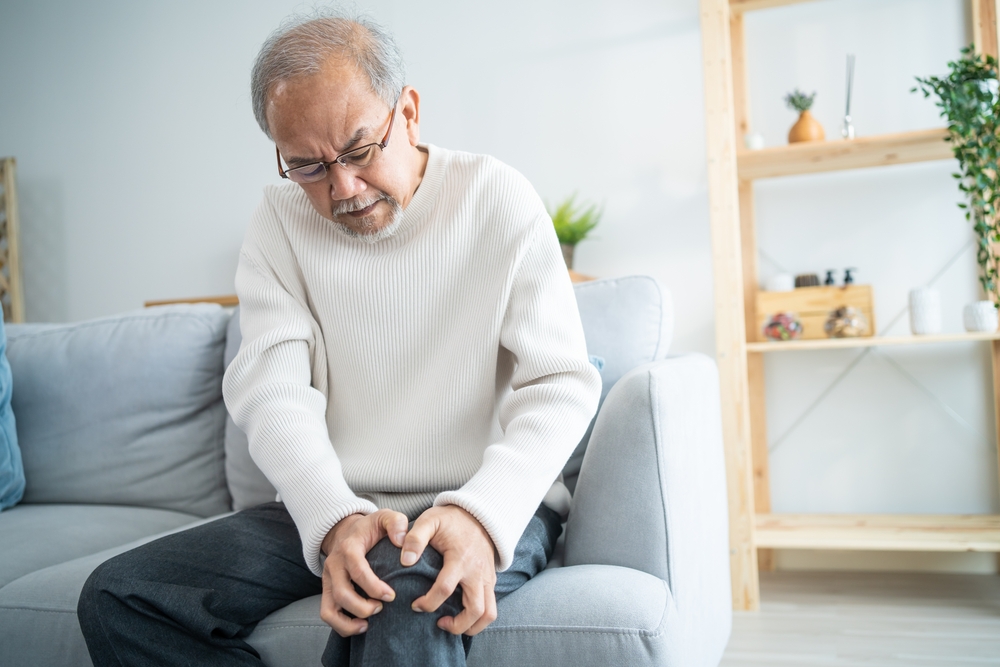
- Osteoarthritis is a painful condition affecting the joints. It is often referred to as age related wear and tear.
- This condition occurs when the cartilage between joints breaks down, leading to changes in the structure of the bones. It also causes pain and stiffness in joints, usually the knees, hips and hands.
- While there is no cure for osteoarthritis, there are ways to manage the condition to help alleviate pain and discomfort. Lifestyle changes, physiotherapy and medication are commonly recommended before more intensive treatment options such as surgery.
While there is no cure for osteoarthritis, there are ways to manage the condition to help alleviate pain and discomfort.
Osteoarthritis explained
Where two bones meet is called a joint, and these areas are cushioned by a layer of cartilage. This is a strong but flexible tissue that acts as a shock absorber between your joints, allowing them to move with ease.
Over time, the cartilage can wear down due to a number of factors, which is known as osteoarthritis. When this happens, the joints lose their protective cushioning, leaving the bones to push against each other. This can lead to inflammation and bony growths, known as bone spurs.
Joints can become stiff and sore, leading to pain when moving. Over time, the bones may change shape as they rub against each other.
Pain relief options for osteoarthritis
The first approach for addressing joint pain is usually topical pain relief, as this has the fewest side effects. Since this is an inflammatory condition, it is vital to use NSAIDs to help reduce inflammation and pain.
A joint-specific NSAID gel is commonly recommended to help reduce pain and ease movement. These medications are often used alongside healthy lifestyle changes.
Oral medication is also an option, but it’s important to think about the long-term implications. For example, medication like ibuprofen might be suitable for short-term use, but long-term use is associated with side effects such as stomach ulcers and kidney or liver problems.
Injections of either corticosteroids or hyaluronic acid can be effective for relieving pain and improving joint movement. Surgery could also be recommended in instances where the joint has been severely damaged.
The first approach for addressing joint pain is usually topical pain relief, as this has the fewest side effects.
Joint care for osteoarthritis
Medication is not the only option for addressing joint pain associated with osteoarthritis. Joint care can also include lifestyle changes and physiotherapy to help improve joint function. Since this condition is made worse by obesity, it can be beneficial to focus on losing weight.
Physiotherapy can be highly effective for improving joint function. The main focus will be on strengthening muscles around the joint to help maintain mobility. Patients may also focus on improving the range of motion of affected joints to help prevent inactivity.
Injections for osteoarthritis
Long-term treatment for this condition may include injections to help relieve pain and inflammation or improve movement and mobility. Injections could include:
- Corticosteroids injected into the joint can provide months of pain and inflammation relief, helping to support a more active lifestyle and improved joint function.
- Hyaluronic acid injections can be effective for lubricating the joint to help reduce friction.
- Platelet-rich plasma (PRP) uses platelets extracted from the patient’s own blood to help reduce inflammation and encourage tissue repair.
- Hydrogel injections use a synthetic non-biodegradable water-based gel that helps to provide cushioning for the joint and reduce friction.
Injections are commonly used as short-term solutions to help improve quality of life and to improve joint function. When paired with healthy lifestyle changes such as increasing exercise and weight loss, this can be a highly effective approach to addressing osteoarthritis related to obesity.
Frequently asked questions
What causes osteoarthritis?
The cause of osteoarthritis is generally thought to be age-related wear and tear on the joints. Certain factors can put individuals at increased risk of developing this condition, including overuse from repetitive jobs and hobbies, obesity, and other joint conditions such as gout or rheumatoid arthritis.
Can osteoarthritis be cured?
No, there is no cure for this condition, but there are ways to manage the symptoms and improve quality of life. Losing weight, increasing physical activity, physiotherapy and medication can all help to alleviate pain and stiffness associated with osteoarthritis. Surgery may be recommended for more severe cases where quality of life is greatly restricted.
How does weight affect the condition?
Carrying extra weight will put additional pressure on your joints, potentially worsening the advancement of the condition and making symptoms more severe. Long-term obesity increases your risk of developing osteoarthritis and losing weight can help to relieve symptoms and improve outcomes.