
What you need to know
- Allergies are incredibly common and affect over 100 million people every year in the United States. Around one in four children and one in three adults suffers from allergies.
- Treatment begins with identifying the cause of the allergy and reducing exposure to allergens. Antihistamines are also recommended to help reduce allergy responses.
- Alongside antihistamine treatment, individuals can also reduce symptoms by using products like nasal sprays and eye drops to help soothe irritated nasal passages and itching eyes.
What are the most common allergies?
Allergies are highly prevalent in the USA, with over 100 million people affected annually. While it might be one of the most common diseases, it is often overlooked. Women are more likely to be diagnosed with allergies in adulthood, while boys are more likely to suffer from allergies in childhood.
Allergies are incredibly common and affect over 100 million people every year in the United States.
The most common allergies are:
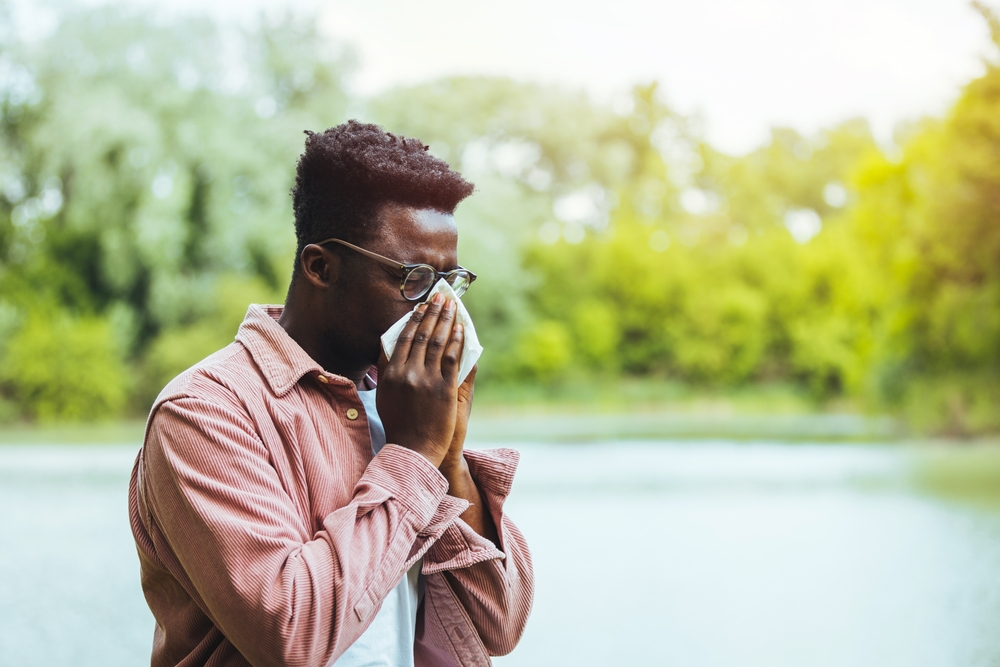
- Seasonal allergies, such as hay fever
- Food allergies, including peanuts, milk, shellfish, eggs, tree nuts, soy and wheat
- Environmental allergies, including pet dander, dust mites and mold
- Insect bites and stings, including bees and wasps
Allergies are incredibly common, particularly in children. Many children will outgrow their allergies, but it’s also possible for adults to develop allergies later in life.
An allergic reaction can present in many different ways, including inflammation of the nasal passages, breathing problems such as asthma attacks and coughing, atopic dermatitis (eczema) and immune responses to food items.
The most severe allergic reactions are food allergies, which can trigger anaphylaxis, which is a potentially life threatening condition. This whole body response occurs within minutes of exposure to an allergen and causes the body to go into shock.
Individuals with this type of allergy will often carry an EpiPen, which delivers a life-saving injection of epinephrine in emergencies.
The most severe allergic reactions are food allergies, which can trigger anaphylaxis, which is a potentially life threatening condition.
Treatment options for allergies
When dealing with an allergy, the first step would be to identify and avoid the allergen. For example, if an individual is allergic to dust mites, improving cleaning habits can help to reduce exposure to this type of allergen.
When the allergen cannot easily be avoided, as would be the case with a pollen allergy, then individuals should consider medication to help control symptoms.
The most popular medication for allergies is an over-the-counter antihistamine. There are different antihistamine drugs available, including cetirizine, loratadine and fexofenadine. These work by blocking H1 receptors, which prevents histamine (a chemical released by your body in response to exposure to an allergen) from binding to cells.
There are two-main types of antihistamines; first generation (sedating) and second-generation (non-sedating). While first-generation antihistamines are highly effective and provide fast relief, they also cause drowsiness, so they might not be suited to everyday and long-term use.
Decongestants are also effective for dealing with the symptoms of an allergic reaction such as congestion, however overuse can make this condition worse. Eye drops are also a highly effective option for addressing the symptoms and finding relief from allergies.
When should you see a doctor?
There are a few instances that would warrant further investigation of your allergy symptoms. If your allergies are persistent, worsen, or cannot be managed using over-the-counter remedies, then you should seek medical help.
You should also speak to your primary care physician if your allergies are preventing you from sleeping, or if they are triggering secondary conditions such as asthma or recurring sinus infections.
You should also visit a doctor if you cannot identify the cause of your allergies. Allergy testing can help to identify which compounds are triggering reactions, which can help to limit exposure and guide treatment.
Frequently asked questions
How quickly do antihistamines work for allergies?
Antihistamine tablets will typically start working within 30 minutes and can reach their maximum effect after around two hours. The time it takes to work can vary from person to person, and there may be differences in the types of antihistamines available.
How do you know if antihistamines are working?
You’ll know if your antihistamines are working as you will typically experience a reduction in symptoms such as sneezing, nasal irritation and eye irritation. With intranasal medications, you should notice a quick reduction in nasal irritation and congestion.
What is the best time of day to take allergy medicine?
This all depends on the source of the allergy and when exposure is at its highest. You should also take into consideration when your allergy symptoms are the worst. Some people suffer the most at night time, so taking an antihistamine before bed is the best option. For tree pollen, sunset will often trigger an allergy attack, as the temperature cools and pollen settles.