
What you need to know
- High blood pressure is a condition that can lead to widespread health problems, so early intervention can help to avoid further damage.
- This condition is often referred to as the silent killer, as it can cause damage to your heart and organs for years without presenting with any symptoms.
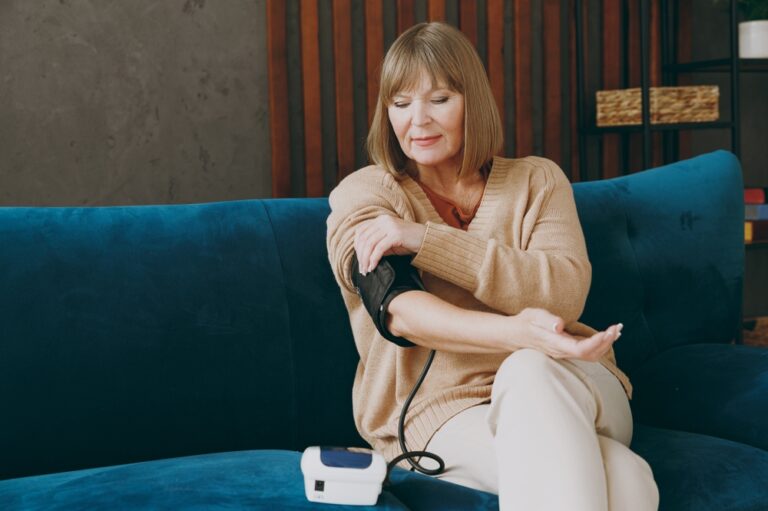
- The only way to identify high blood pressure is with regular checks, which is why visits to your primary care physician are so vital for long-term health.
High blood pressure is known as the silent killer, as it can cause damage to your heart for years without presenting with any symptoms.
Your blood pressure is the force of your blood pushing against the walls of your arteries as your heart pumps it around the body. It is measured with two numbers, the systolic and the diastolic. This would be written as 90/60.
The systolic is the top number, which is the pressure when your heart beats, while the diastolic is the bottom number, which is the pressure when the heart relaxes. The ideal blood pressure would be between 90/60 and 120/80.
High blood pressure would be anything above 140/90, but it’s worth noting that your own personal range could be very different. As we get older the arteries will also harden, which can mean that higher blood pressure is within a healthy range.
Dangers of low blood pressure
With low blood pressure, there is the risk that vital organs like the brain or the heart might not be getting enough blood. This can lead to symptoms like dizziness and fainting, which puts individuals at risk of injury. A sudden drop in blood pressure can lead to organ damage due to shock.
Dangers of high blood pressure
High blood pressure, also known as hypertension, puts additional strain on the arteries that puts them at increased risk of damage. This can lead to deadly conditions such as heart attack or stroke.
There is also the risk of heart failure due to the heart muscle becoming thicker and weaker due to overexertion. There is also the risk of an aneurysm, which is a bulge in a blood vessel that can become weak and rupture.
High blood pressure also puts additional pressure on other organs, including the kidneys and the eyes.
There’s also the risk of cognitive damage due to high blood pressure, including vascular dementia.
Signs of high blood pressure
High blood pressure is referred to as the silent killer as it does not present with any symptoms. The only way to identify it would be with regular blood pressure checks. In rare cases, you might experience some of the following symptoms, but this would be when your blood pressure is dangerously high. These symptoms include:
- Severe headaches
- Nosebleeds
- Blood in your urine
- Blurred vision
- Chest pain and difficulty breathing
- Confusion
- Pounding heart or an irregular heartbeat
- Fatigue
Can high blood pressure be reversed?
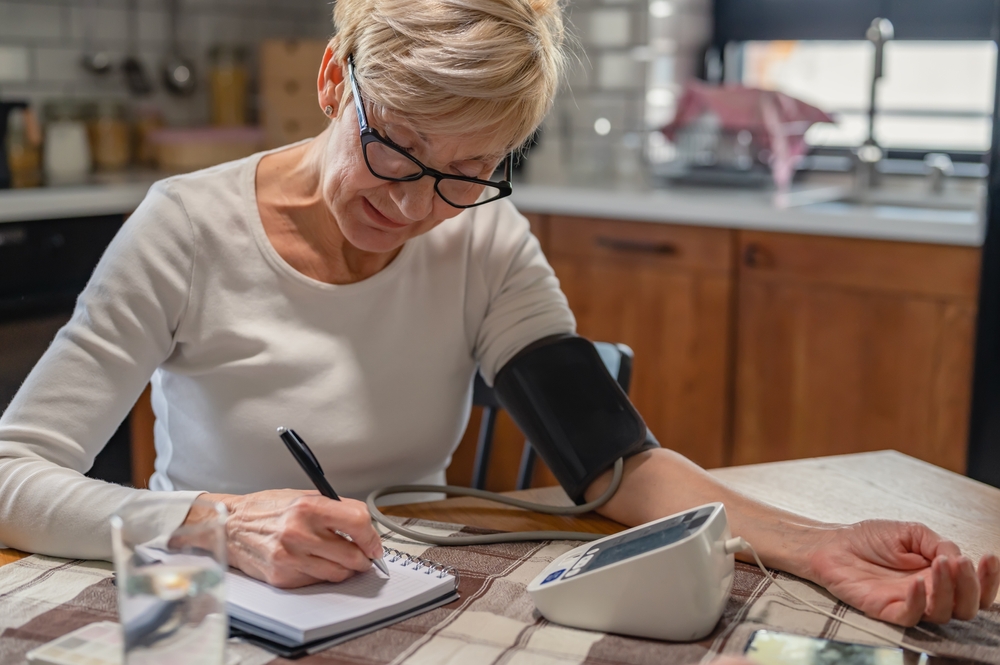
Regular checks on your blood pressure will help to identify when you are at increased risk of developing this condition. If you are identified as having normal to high blood pressure, you will be able to make lifestyle changes to prevent this from developing into high blood pressure.
- Making changes to your diet can have a significant impact. You’ll need to reduce your intake of salt and processed foods. Increasing certain foods in your diet can also have a positive impact. Foods that are rich in potassium are beneficial, including bananas, sweet potatoes and leafy green vegetables.
- Regular exercise can have a significant impact on blood pressure. Aim for around 150 minutes of moderate intensity exercise per week.
- Losing weight can also benefit those at risk of high blood pressure. Losing weight when you are overweight can help to reduce pressure on your heart.
- Managing stress will become very important if you are at risk of or living with high blood pressure. Finding ways to relax and remove stress from your life can have a significant impact.
- Quitting smoking can have a significant impact on your health if you suffer from high blood pressure. Smoking damages blood vessels, which can then be further weakened by high blood pressure.
- Reducing alcohol intake or quitting entirely can help with high blood pressure.
By committing to regular health checks and requesting a blood pressure check at least once a year, you’ll be in the best possible position to avoid this common condition.
Frequently asked questions
What are the symptoms of high blood pressure?
High blood pressure often has no noticeable symptoms, earning it the nickname “silent killer.” In rare cases of dangerously high levels, symptoms may include severe headaches, nosebleeds, blurred vision, chest pain, fatigue, or a pounding/irregular heartbeat.
How can I tell if I have high blood pressure?
The only reliable way to know is through regular blood pressure checks, either at your doctor’s office or with a home monitor. Routine monitoring is essential because high blood pressure can cause long-term damage without obvious symptoms.
Can high blood pressure be prevented or managed?
Yes. Lifestyle changes can significantly reduce your risk, including eating a balanced, low-salt diet, exercising regularly, maintaining a healthy weight, managing stress, quitting smoking, and limiting alcohol intake. In some cases, medication may also be prescribed by a physician.